
A Holistic Understanding of Thyroid Imbalance
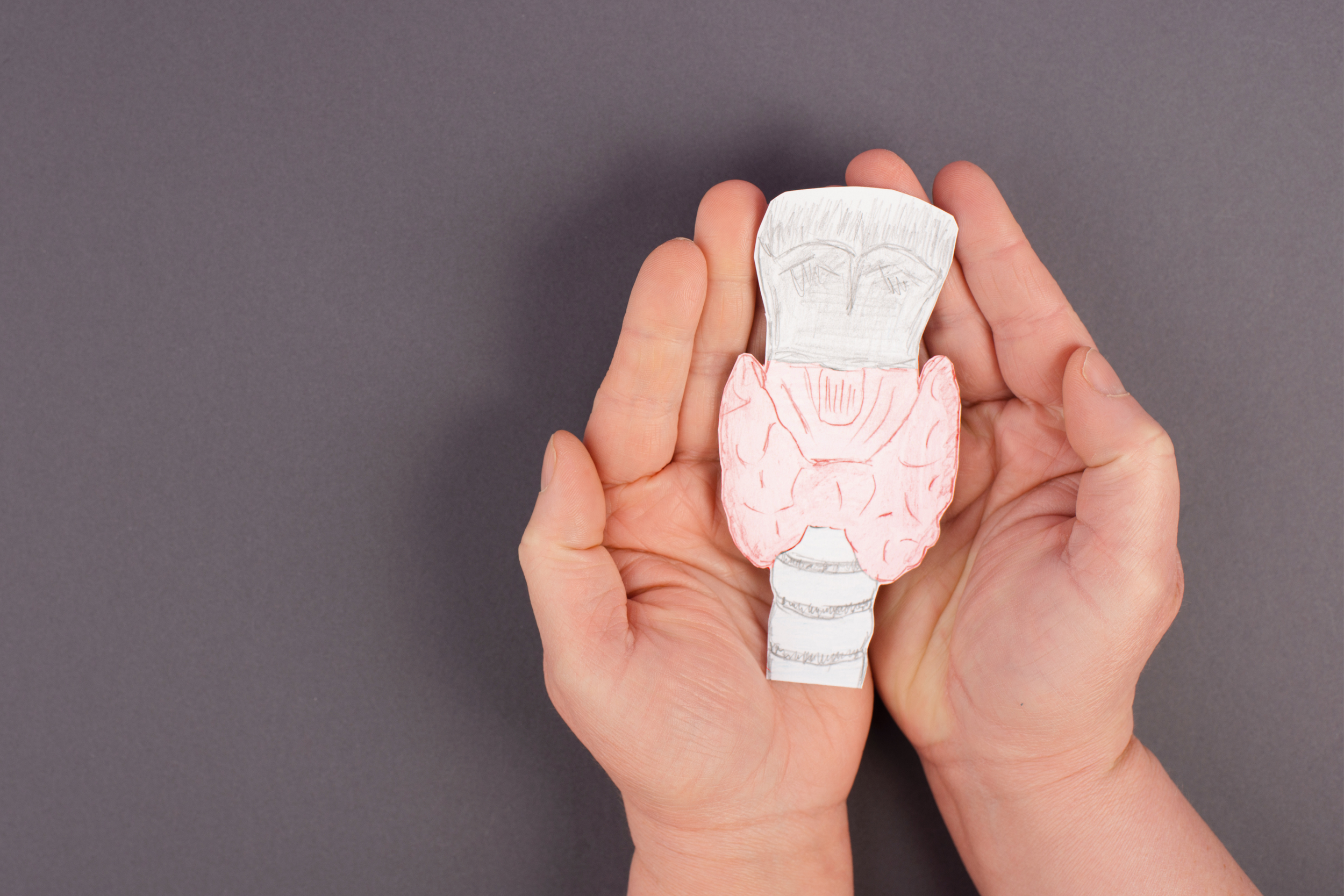
At the base of your neck lies a small, butterfly-shaped gland that orchestrates your body's vital rhythms—the thyroid. Like a conductor leading a complex symphony, it directs metabolism, energy production, and countless other processes essential to health. Yet increasingly, this delicate system falls out of tune, manifesting as disorders like hypothyroidism and Hashimoto's Thyroiditis. These conditions often whisper their imminence long before they shout, leaving many to struggle undiagnosed.
Enter three pioneering voices in thyroid health: Dr. Alan Christianson, Dr. Eric Balcavage, and Dr. Izabella Wentz. Their work illuminates a path beyond mere symptom management to true healing, each offering unique insights into this complex landscape.
The Iodine Paradox: Dr. Christianson's Commonsense Approach
Dr. Alan Christianson challenges conventional wisdom with a compelling narrative about iodine—the thyroid's double-edged sword. His groundbreaking Thyroid Reset Diet offers a structured plan for limiting iodine intake, aiming to restore thyroid balance.
Key insights from his approach include:
Iodine's Role: While trace amounts of iodine are essential for thyroid function, excessive iodine can trigger autoimmunity and thyroid dysfunction. Limiting intake to 100 micrograms daily during a "reset phase" (lasting 3–12 months) has shown promise, with 60–80% of patients reversing thyroid disease within 3 months.
Food Categorization: Dr. Christianson simplifies iodine management with a "green, yellow, red light" food system. Explore the full list HERE.
Historical Perspective: Iodine fortification in 1924, intended to prevent goiter, inadvertently caused a 25,000% increase in adult thyroid disease, with 30–40% of Americans now consuming over 200 micrograms daily.
Thyroid Medications: Dr. Christianson highlights the underrecognized importance of T2 in metabolic rate and energy production. The ideal treatment combines all active thyroid hormones and is free of fillers or binders. His preferred medication is WP Thyroid.
The Cellular Symphony: Dr. Balcavage's Mitochondrial Perspective
Dr. Eric Balcavage’s work reveals how our mitochondrial cells, under siege from modern stressors, can shift into a defensive posture that compromises thyroid function. Through this lens, hypothyroidism emerges not merely as a glandular problem but as a cellular crisis.
Key takeaways include:
Cellular Energy Crisis: Chronic stress, environmental toxins, and nutrient deficiencies can shift cells into a defensive state, impairing mitochondrial function and thyroid hormone utilization.
Dietary and Lifestyle Interventions: Restoring gut health, reducing environmental toxicants, and optimizing nutrition are critical for recovery.
Oxidative Stress: Excessive thyroid hormone supplementation may create mitochondrial density without improving function, exacerbating oxidative stress. A balanced, whole-food diet is the foundation of recovery.
Testing Options: The MitoSwab is a non-invasive method for evaluating the mitochondrial electron transport chain through a painless cheek swab. It shows an 84% correlation with results obtained from muscle biopsies, the gold standard of mitochondrial assessments.
A Self-Informed Healing Journey: Dr. Wentz's Holistic Protocol
Dr. Izabella Wentz brings both professional expertise and personal experience to her work. As the creator of the documentary series The Thyroid Secret, she empowers individuals to regain control of their health through scientifically informed lifestyle changes. Her 90-day Hashimoto's Protocol weaves together multiple healing threads:
Key Protocols:
Liver Support: Support your liver with detoxification and a nutrient-rich diet, promote adrenal recovery by managing stress, and restore energy while alleviating symptoms by balancing your gut through an elimination diet and probiotics. Additionally, prioritize hydration and consider supplements like milk thistle and N-acetylcysteine (NAC) for added support.
Adrenal Recovery: Use stress management techniques such as meditation and deep-breathing exercises while prioritizing restorative sleep.
Gut Balancing: Promote gut health by eliminating reactive foods such as gluten and dairy, supplement with digestive enzymes, and incorporate probiotics, prebiotics, and fermented foods. Eat cruciferous vegetables like broccoli and cauliflower, leafy greens such as kale and spinach, and healthy fats from sources like avocado and olive oil.
Advanced Protocols: For complex cases, optimize thyroid hormones with medication, address nutrient deficiencies (especially selenium and vitamin D), and mitigate chronic infections (e.g., Candida, Blasto, H. pylori) as well as environmental toxins.
Bridging the Gaps in Thyroid Health
Several studies and surveys reinforce the multifaceted nature of thyroid disorders:
The Colorado Thyroid Disease Prevalence Study (1995) revealed that 9.5% of the 25,000 participants had hypothyroidism and 2.2% had hyperthyroidism, highlighting the prevalence of undiagnosed thyroid dysfunction.
A survey of 2,232 individuals with Hashimoto's thyroiditis conducted by Dr. Izabella Wentz underscored the importance of stress management, dietary changes, and addressing nutrient deficiencies like selenium and vitamin D.
Environmental factors such as iodine toxicity, heavy metals (e.g., lead, mercury, fluoride), and endocrine disruptors remain significant triggers for autoimmune thyroiditis.
Individuals with autoimmune thyroid disorders have a higher prevalence of celiac disease, with rates estimated between 2% and 5%, compared to approximately 1% in the general population.
A Holistic Path Forward
These insightful works offer valuable information on managing and reversing thyroid disorders through science-backed approaches and lifestyle changes:
The Thyroid Reset Diet by Dr. Alan Christianson
The Thyroid Debacle by Dr. Eric Balcavage
Hashimoto's Thyroiditis: Lifestyle Interventions for Finding and Treating the Root Cause by Dr. Izabella Wentz
Smarter Seasoning for Thyroid Health
Choosing the right salt matters, especially if you're watching your iodine intake. Here's your quick guide to making smarter salt choices:
Salts to Skip
Iodized Table Salt: Standard table salt fortified with iodine, typically containing about 45 micrograms of iodine per gram. Best avoided if you're managing iodine intake.
Generic Sea Salt: Often contains significant iodine levels, averaging around 20-30 micrograms of iodine per gram.
Himalayan Salt: Contains natural iodine along with other minerals, generally around 3-10 micrograms of iodine per gram. Not ideal for low-iodine diets.
Better Choices
Kosher Salt: Completely iodine-free, with large coarse grains that make portion control easy.
Celtic Sea Salt: Mineral-rich alternative containing no more than trace amounts of iodine.
Supplement Savvy: Promising Compounds for Hormonal Health
In the quest for optimal thyroid and hormonal balance, nature offers a treasure trove of evidence-backed supplements and herbs that can complement conventional care. Below, we dive into the most promising options, grounded in clinical studies and reviews.
Ashwagandha (Withania somnifera)
An adaptogenic herb traditionally used in Ayurveda for stress, fatigue, and endocrine balance. It shows particular promise for supporting thyroid function in subclinical hypothyroidism.
Key Benefits: Helps normalize thyroid hormones (increases T3 and T4, decreases TSH) in subclinical hypothyroidism; may reduce oxidative stress and support overall endocrine function.
Evidence & Findings:
Sharma AK, Basu I, Singh S (2018), published in The Journal of Alternative and Complementary Medicine. Double-blind, randomized, placebo-controlled trial with 50 patients (aged 18-50) with subclinical hypothyroidism (TSH 4.5-10 μIU/L, normal T3/T4). Over 8 weeks, 600 mg/day standardized root extract (300 mg twice daily) significantly improved thyroid indices compared to placebo: T3 increased ~41-45%, T4 ~19-20%, TSH decreased markedly (many normalized). No serious adverse effects.
Mikulska P et al. (2023), published in International Journal of Molecular Sciences. Narrative review ("Can Ashwagandha Benefit the Endocrine System?") analyzed studies 2010-2023; found Ashwagandha positively affects thyroid secretory function, increases T3/T4 and decreases TSH via HPT axis modulation, with antioxidant and anti-inflammatory mechanisms.
Panda S & Kar A (1998-1999), multiple animal studies (e.g., in hypothyroid rats). Ashwagandha root extract increased T4 synthesis, protected thyroid from oxidative damage, and showed effects comparable to levothyroxine without toxicity.
Typical Dose: 300-600 mg/day of standardized root extract (often with 5% withanolides).
Cautions: Can cause thyrotoxicosis (hyperthyroidism) in rare cases, especially at higher doses. There have been some reports of liver injury (hepatotoxicity, jaundice, cholestasis) that resolve after discontinuation. Avoid in hyperthyroidism, pregnancy, or with thyroid medications without monitoring as it may interact with immunosuppressants or sedatives.
Selenium
An essential trace mineral critical for thyroid hormone metabolism (converting T4 to active T3) and protecting the thyroid gland from oxidative stress. It has the strongest scientific backing for supporting autoimmune thyroid conditions, particularly Hashimoto's thyroiditis (HT).
Key Benefits: Reduces thyroid peroxidase antibodies (TPOAb); may improve mood, well-being, and thyroid function in autoimmune thyroiditis (AIT).
Evidence & Findings:
Wichman et al. (2024), published in Thyroid. This systematic review and meta-analysis of randomized controlled trials (RCTs) found selenium supplementation (typically 200 mcg/day) effective and safe in lowering TSH, TPOAb, and malondialdehyde (MDA) levels in HT patients without thyroid hormone replacement therapy (THRT), with indications for TPOAb reduction independent of THRT.
Hu et al. (2023), published in Frontiers in Endocrinology. Review showed selenium supplementation in HT associated with decreased anti-TPOAb levels and improved thyroid ultrasound structure, highlighting its role in reducing oxidative stress and inflammation.
Winther et al. (2014), published in Evidence-Based Complementary and Alternative Medicine. Meta-analysis of RCTs demonstrated that 6-12 months of selenium supplementation significantly reduced TPOAb titers in AIT patients, with no major adverse effects reported.
Typical Dose: 100-200 mcg/day (selenomethionine form preferred).
Cautions: Avoid >400 mcg/day (risk of selenosis, e.g., hair loss, nail brittleness).
Zinc
An essential trace mineral vital for thyroid hormone synthesis and the efficient conversion of T4 to the more active T3 hormone. Zinc deficiency is common in people with thyroid disorders and can worsen symptoms like fatigue and hair loss.
Key Benefits: Improves T3/T4 levels; combined with selenium enhances outcomes in HT.
Evidence & Findings:
Mahmoodianfard et al. (2015), published in Journal of the American College of Nutrition. RCT in overweight/obese hypothyroid women showed 30 mg zinc daily (alone or with 200 mcg selenium) for 12 weeks improved thyroid function, with evidence of reduced TSH and increased T3/T4 levels.
Kandhro et al. (2009), published in Clinical Nutrition. Study on goitrous patients found 6 months of zinc supplementation improved zinc status, serum thyroid hormone levels (increased T3/T4), and reduced TSH in iodine-deficient regions.
Betsy et al. (2013), published in International Journal of Trichology. Observational study linked zinc deficiency to hypothyroidism; supplementation in nine deficient patients improved thyroid function and alleviated symptoms like hair loss.
Typical Dose: 15-30 mg/day.
Cautions: High doses (>40 mg) may disrupt copper absorption, cause nausea, or suppress immunity.
Vitamin D
A fat-soluble vitamin (often considered a hormone) that plays a key role in regulating immune function and reducing inflammation. Deficiency is widespread and particularly common in autoimmune thyroid diseases, where it may contribute to higher antibody levels and disease progression.
Key Benefits: Supplementation lowers antibodies in HT and supports remission in Graves' disease.
Evidence & Findings:
Kim (2015), published in Nutrients. Meta-analysis of observational studies found low vitamin D levels contribute to Graves' disease (GD) and HT; vitamin D supplementation combined with anti-thyroid drugs improved outcomes.
Taheriniya et al. (2022), published in Cureus. Systematic review of 20 articles showed vitamin D deficiency more prominent in autoimmune thyroid disease (AITD) patients, with lower serum 25(OH)D levels compared to controls.
Talaei et al. (2017), published in Journal of the Endocrine Society. RCT demonstrated that vitamin D supplementation reduced thyroid autoimmunity markers, with significant decreases in anti-TPOAb and anti-thyroglobulin antibodies after 3 months.
Typical Dose: 1,000-4,000 IU/day; aim for blood levels of 30-50 ng/mL.
Cautions: Monitor to avoid hypercalcemia (e.g., kidney stones).
Black Seed (Nigella sativa)
An ancient herb revered in traditional medicine (often called "black cumin" or "kalonji"), rich in thymoquinone and other compounds that provide potent antioxidant, anti-inflammatory, and immune-modulating effects. Emerging research suggests it may help balance thyroid hormones, particularly in hypothyroidism.
Key Benefits: Reduces TSH and increases T3/T4 in hypothyroidism; may improve lipid profiles and body weight.
Evidence & Findings:
Mirzaei et al. (2024), published in Caspian Journal of Internal Medicine. Systematic review and meta-analysis of herbal remedies for hypothyroidism found Nigella sativa (2-4 g/day for 8 weeks) significantly reduced TSH and increased T3/T4 in three studies, with positive effects on thyroid hormones in rat models of hypo- and hyperthyroidism.
Avcı et al. (2021), published in Journal of Essential Oil Research. Study in rats showed black seed essential oil positively affected thyroid hormones, restoring balance in hypothyroidism and hyperthyroidism models without toxicity.
Tavakkoli et al. (2017), small clinical trial referenced in reviews, reported improvements in thyroid function and symptoms with Nigella sativa supplementation in hypothyroid patients.
Typical Dose: 2-4 g/day.
Cautions: Mild digestive upset or allergic rashes; may interact with anticoagulants.
Ginger (Zingiber officinale)
A widely used spice and medicinal root renowned for its potent anti-inflammatory and antioxidant properties, thanks to compounds like gingerols and shogaols. Emerging evidence points to its potential in alleviating symptoms and supporting hormone balance in hypothyroidism.
Key Benefits: Relieves persistent hypothyroid symptoms (e.g., fatigue, weight gain); may reduce TSH.
Evidence & Findings:
Ashraf et al. (2022), published in Evidence-Based Complementary and Alternative Medicine. Pilot RCT (double-blind, placebo-controlled) found 1 g/day ginger for 4 weeks relieved persistent symptoms in controlled primary hypothyroidism patients, with significant TSH reduction (-1.84 ng/mL vs. placebo, p<0.001) and improved T3/T4.
Abdelaleem et al. (2021), published in Egyptian Journal of Hospital Medicine. Study on hypothyroid rats showed ginger extract combined with selenium elevated T3/T4 levels and reduced TSH, suggesting ameliorative effects against thyroid damage.
Abdel-Rahman et al. (2020), published in Science of the Total Environment. In rats, ginger extract ameliorated bisphenol A-induced thyroid disruption by activating Nrf-2/HO-1 pathways and reducing oxidative stress.
Typical Dose: 1-2 g/day.
Cautions: Generally safe; high doses may cause heartburn; avoid with blood thinners.
Curcumin (from Turmeric)
The bioactive compound responsible for turmeric's vibrant golden color, curcumin is celebrated for its powerful anti-inflammatory, antioxidant, and immune-modulating properties. Research suggests it may help reduce thyroid autoimmunity and oxidative stress in conditions like Hashimoto's thyroiditis.
Key Benefits: Lowers antibodies in HT; protects against oxidative stress.
Evidence & Findings:
Gholnari et al. (2025), published in Journal of Human Nutrition and Dietetics. Double-blind RCT found curcumin supplementation significantly reduced anti-TPO levels (p=0.006) in HT patients, with trends toward improved TSH and T3, but no major changes in lipid profiles.
Ashok et al. (2023), published in International Journal of Molecular Sciences. Review highlighted curcumin's role in preventing and treating chronic diseases, including thyroid disorders, by modulating inflammation and supporting thyroid function in preclinical models.
Krysiak et al. (2019), published in Phytotherapy Research. Study in HT patients showed curcumin decreased thyroid antibody levels and improved symptoms, attributed to its antioxidant properties.
Typical Dose: 500-2,000 mg/day (with black pepper for absorption).
Cautions: GI issues at high doses.
Bugleweed (Lycopus spp.)
A traditional European herb (including Lycopus europaeus and Lycopus virginicus) long used in herbal medicine to calm an overactive thyroid. Its compounds may inhibit thyroid hormone production and release, making it a candidate for managing mild hyperthyroidism or Graves' disease symptoms.
Key Benefits: May reduce thyroid hormone production and alleviate symptoms like palpitations.
Evidence & Findings:
Beer et al. (2008), published in Phytotherapy Research. Clinical study on patients with slight hyperthyroidism found Lycopus europaeus preparation reduced symptoms and improved thyroid parameters over 4 weeks, with good tolerance and no adverse effects.
Kaplan et al. (2021), published in Homeopathy. Case reports of two Graves' hyperthyroidism patients treated with homeopathic remedies including bugleweed showed symptom relief; in vitro studies confirmed inhibition of TSH and Graves' antibodies on thyroid hormone production.
Yarnell & Abascal (2006), published in Alternative and Complementary Therapies. Review noted bugleweed's promise for hyperthyroid conditions by inhibiting thyroid hormone synthesis in animal and in vitro models.
Typical Dose: Varies (e.g., 1-2 g/day as tea or extract).
Cautions: Avoid in hypothyroidism or pregnancy; rare liver issues.
Moringa oleifera
A highly nutrient-dense "superfood" tree (often called the drumstick tree or miracle tree), whose leaves are packed with vitamins, minerals, antioxidants, and anti-inflammatory compounds. While it shows promise for supporting thyroid function in some studies, evidence is mixed, with potential benefits in hypothyroidism but possible goitrogenic (thyroid-suppressing) effects at higher doses.
Key Benefits: Some studies show improved TSH/T3/T4 in hypothyroidism; rich in antioxidants.
Evidence & Findings:
Khan et al. (2022), published in Journal of Complementary and Integrative Medicine. RCT found 10 g/day Moringa leaves safe and effective for primary hypothyroidism, reducing TSH and improving symptoms over 6 weeks.
Tahiliani & Kar (2000), published in Pharmacological Research. Study in rats showed Moringa leaf extract regulated thyroid hormone status, increasing T4 in hypothyroid models but with potential antithyroid effects at high doses.
Barakat et al. (2018), published in Brazilian Journal of Pharmaceutical Sciences. Review indicated Moringa has potent antithyroid activity due to polyphenols, similar to spinach, potentially disrupting thyroid function in excess.
Typical Dose: 5-10 g/day (leaves/powder).
Cautions: Potential goitrogenic (antithyroid) effects in high doses; digestive upset.
Better Habits: Are BPA-Free Plastics Really Safe?
We’ve all seen the reassuring "BPA-free" label on plastic containers, promising a safer alternative. But here’s the truth: While BPA may be out, chemicals like BPS and BPF have quietly taken its place—and they might be just as troublesome for your hormones.
The Hidden Truth:
Heat Is Your Enemy: That moment you microwave or dishwash your BPA-free container? It could be releasing chemicals directly into your food, disrupting your delicate hormone balance.
These Chemicals Are Everywhere: Studies show that these replacements—BPS and BPF—are infiltrating our bodies, our food, and even our waterways at troubling rates.
A Better Way to Protect Yourself:
Embrace Glass and Stainless Steel: When it comes to food storage, the tried-and-true materials are still the safest. Choose glass and stainless steel for peace of mind.
If Plastic Is a Must: Avoid heating it and always hand wash in cool water to minimize exposure.
Choose Klean Kanteen: Make the switch to a stainless-steel water bottle that’s not just durable and stylish, but also a safer choice for you and the planet.
Embracing a Root-Cause Revolution in Thyroid Health
The thyroid’s quiet influence touches nearly every aspect of our well-being, yet millions continue to suffer from fatigue, brain fog, weight struggles, and mood changes without understanding why. Thyroid imbalance is rarely an isolated glandular failure. Instead, it’s often a downstream signal of deeper issues—excess iodine, mitochondrial stress, chronic inflammation, gut dysbiosis, nutrient deficiencies, environmental toxins, and unaddressed infections. By addressing root causes rather than simply replacing missing hormones, these approaches empower real healing and, in many cases, reversal.
Please note: The links provided are affiliate links. If you make a purchase through these links, we may earn a small commission that helps support our mission at Grassroots Vitality to share valuable health information.
