
A Comprehensive Guide to Healing Gastritis, GERD & Peptic Ulcers
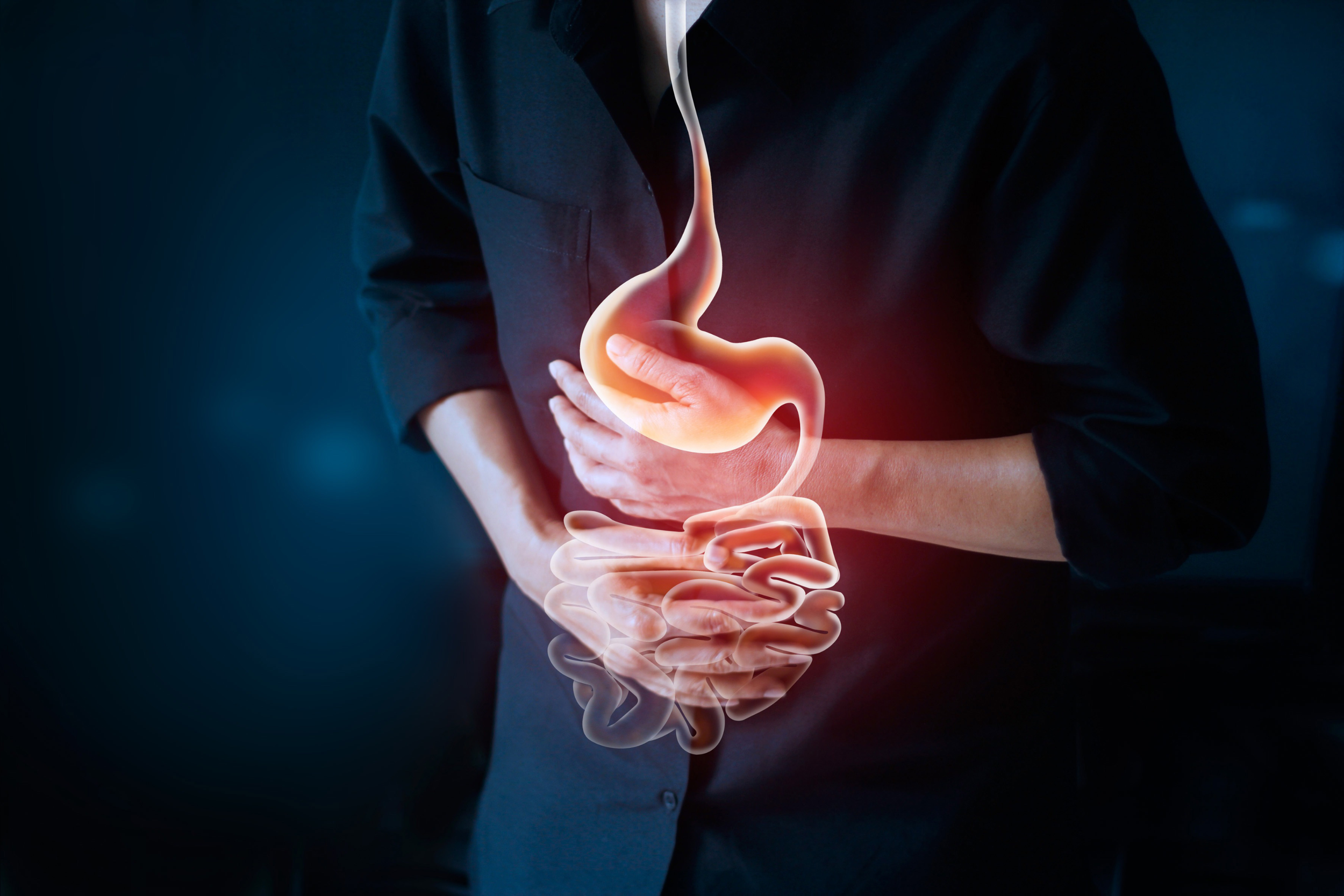
When Digestive Distress Hits Close to Home
When trouble hits close to home, it often becomes the catalyst for deep learning and understanding. Nothing inspires a thorough investigation of a health condition quite like watching a loved one suffer—or experiencing it firsthand.
Such was the case when my wife received a hiatal hernia diagnosis after years of battling chronic gastritis and acid reflux, while I simultaneously wrestled with my own gastric issues brought on by heavy antibiotic use and SIBO (Small Intestinal Bacterial Overgrowth).
Through our experiences, we've discovered that while the root causes of gastric distress can vary widely, there exists a universal toolkit of strategies and remedies that can help soothe and heal the irritated tissues of the digestive system.
Whether you're dealing with the burning discomfort of gastritis, the persistent heartburn of GERD, or the more serious concern of peptic ulcers, this comprehensive guide draws from both clinical research and practical experience to offer you pathways to healing that go beyond symptom management to address root causes.
What’s Really Happening with GERD
If you're one of the millions dealing with gastroesophageal reflux disease (GERD), you know the uncomfortable reality of stomach acid regularly flowing back into your esophagus. This backflow causes not just the familiar burning sensation of heartburn, but over time can lead to tissue damage, chest pain, difficulty swallowing, and that persistent feeling of a lump in your throat.
Understanding what's driving your digestive distress is the first step toward healing:
H. pylori Infection – This microscopic master of survival colonizes more than half the world's population. It's found in over 90% of duodenal ulcers and 70% of gastric ulcers. Like an unwelcome houseguest, this spiral-shaped bacterium burrows into the stomach lining, triggers inflammation, and disrupts your stomach's natural defenses.
Medications – NSAIDs, aspirin, and oral corticosteroids are common culprits. Even long-term PPI use can paradoxically contribute to gastric issues.
Lifestyle Factors – Stress (yes, it's real), smoking, alcohol abuse, and low dietary fiber intake all play significant roles in both causing and perpetuating digestive distress.
Structural Issues – Hiatal hernias, where a portion of the stomach protrudes through the diaphragm, often coexist with GERD and create mechanical problems that medication alone can't fix.
SIBO (Small Intestinal Bacterial Overgrowth) – This often-overlooked condition can trigger or worsen GERD symptoms by disrupting normal digestive function.
Dietary Modifications – Cut triggers that relax the esophageal sphincter, boost acid, or irritate mucosa: chocolate, alcohol, caffeinated/carbonated drinks, fried foods, as well as acidic and spicy foods.
Herbal Medicine: Nature’s Healing Pharmacy
Living with heartburn and acid reflux can make even simple activities uncomfortable, but nature offers some remarkably effective solutions backed by scientific evidence. Traditional herbal medicine has long valued certain plants for their ability to soothe the esophagus, reduce inflammation, and promote tissue repair in the upper GI tract.
1. Althaea officinalis (Marshmallow Root)
This mucilage-rich demulcent forms a protective film over inflamed gastric mucosa, providing soothing relief and supporting barrier integrity against acid irritation. Polysaccharides hydrate tissues and exhibit anti-inflammatory effects.
Evidence & Findings:
Lab tests on human immune cells showed marshmallow root extract cut key inflammation signals (TNF-α by up to 52%, IL-6 by up to 79%) and functioned as a natural anti-inflammatory for gut irritation (Bonaterra et al. 2020, Frontiers in Pharmacology).
Rat studies showed pretreatment with root extract shrank NSAID-induced ulcers, preserved protective stomach chemicals, and lowered swelling, proving it shields and heals damaged lining in animals (Zaghlool 2019).
Low doses on human throat-like cells boosted energy, growth, and sticky protective layers—hints at repairing irritated tissues (Deters et al. 2010, Journal of Ethnopharmacology).
Use: 1 teaspoon root powder in cold water (to preserve mucilage), infused overnight or 1-2 hours, 3 times daily after meals.
2. Aloe Vera (Aloe barbadensis)
Acemannan polysaccharides soothe irritated mucosa, modulate inflammation, and promote repair in cases like H. pylori- or NSAID-induced gastritis. Use decolorized inner leaf gel to avoid laxative effects.
Evidence & Findings:
Rat studies show Aloe gel cuts ulcer size by up to 91% (better than some acid blockers in tests), lowers cell damage from stress, boosts protective antioxidants, and blocks inflammation pathways like NLRP3 (Mohamed et al. 2024, Molecular Biology Reports).
Additional rat tests confirm it reduces stomach acid and shields against harsh acid injury (Yusuf et al. 2004, Journal of Ethnopharmacology).
Small human trials show high ulcer healing rates (85% vs. 50% placebo) and symptom relief (Can Dramur et al. 2004).
Use: 100-200 ml gel or capsules daily, as directed.
3. Deglycyrrhizinated Licorice Root, DGL (Glycyrrhiza glabra)
Enhances prostaglandin defenses, speeds mucosal healing, and protects against erosions without hypertension risk in DGL form.
Evidence & Findings:
Classic human trials showed DGL shrank stomach ulcers 78% vs. 34% placebo, with full healing in 44% vs. 6%, plus fast pain relief in ulcer/gastritis patients (Kassir 1985, Irish Medical Journal; Turpie 1969, Gut).
Matched acid blocker cimetidine for healing ulcers and keeping them gone; also shielded against NSAID stomach damage (Rees 1979, Scandinavian Journal of Gastroenterology).
Modern trial of flavonoid-rich DGL (GutGard) cut bloating and indigestion in 119 people with upset stomach vs. placebo; reviews back anti-H. pylori effects and ulcer help (Raveendra 2012, Evidence-Based Complementary and Alternative Medicine)
Use: 380-760 mg DGL tablets, 1-2 chewed before meals.
4. Chamomile (Matricaria recutita)
Flavonoids like apigenin reduce inflammation and provide antispasmodic relief for epigastric pain; supports mucosal protection.
Evidence & Findings:
Animal studies show chamomile decoction extracts protect against alcohol-induced ulcers, cut oxidative stress, and preserve gastric mucosa like a natural shield (Cemek et al. 2011, World Journal of Gastroenterology).
Systematic reviews confirm anti-inflammatory and gastroprotective effects; effective in herbal mixes for functional GI disorders like cramps and indigestion (Srivastava et al. 2010, Molecular Medicine Reports).
Use: Tea from 1-2 teaspoons dried flowers steeped 10 minutes, 3 times daily.
5. Calendula (Calendula officinalis)
Promotes healing of damaged mucosal tissues through NF-κB inhibition and anti-inflammatory triterpenoids.
Evidence & Findings:
Lab tests on human stomach cells showed flower extract stopped inflammation triggers without harming cells (Colombo et al. 2015, Evidence-Based Complementary and Alternative Medicine).
Rat studies found triterpene glycosides protected against alcohol and NSAID ulcers (Yoshikawa et al. 2001, Chemical & Pharmaceutical Bulletin).
Small old multi-herb trials (e.g., Chakurski 1981) showed ulcer healing and pain relief in combinations; wound-healing reviews support external use but GI human proof limited to tradition.
Use: Tea (1-2 teaspoons dried flowers steeped 10 minutes) or tincture (2-4 ml three times daily).
Eliminating H. Pylori: The Bacterial Root Cause
If H. pylori is behind your gastric distress, you're not alone—this resilient bacterium colonizes more than half of the world's population. The good news is that various natural products show remarkable promise in combating H. pylori infections through multiple mechanisms, from inhibiting bacterial growth to enhancing the effectiveness of conventional treatments.
This gram-negative bacterium has perfected the art of surviving in your stomach's hostile, acidic environment. It colonizes the gastric mucosa, lives in the protective mucus layer, and occasionally attaches directly to mucosal cells.
Given H. pylori's potential protective effect against GERD in some individuals, treatment decisions should be made carefully. However, if you have gastritis, peptic ulcers, or persistent symptoms, eradication is generally beneficial and can prevent progression to more serious conditions including gastric cancer.
The Challenges with Conventional Treatment
Standard triple therapy (proton pump inhibitor, clarithromycin, and amoxicillin) achieves only 77% eradication rates, while quadruple therapy reaches 78.3%. These rates are decreasing over time due to growing antibiotic resistance.
Additionally, more than 33% of patients experience significant short-term side effects including dizziness, nausea, vomiting, and diarrhea. Long-term concerns include potential breast cancer risk associations and lasting alterations to the gut microbiota that persist for years after the fact.
This is where natural medicine shines—offering effective alternatives and powerful adjuncts that can improve eradication rates while reducing side effects.
H. Pylori Eradication Strategies: Therapeutic Foods and Beverages
The average stomach volume is 1.0-1.5 liters, meaning therapeutic concentrations of foods, drinks, and herbs are entirely achievable through oral consumption.
Green Tea (Camellia sinensis)
The evidence for green tea is compelling across multiple study types:
Lab tests show green tea stops H. pylori growth at 0.25-0.5% concentrations (like 3-5 cups daily) and strongly inhibits urease activity and prevents bacterial adhesion to mucosal cells Yee Koo 2000; Lee et al. 2009).
Green tea in drinking water cleared H. pylori infection and cut gastritis dose-dependently in infected gerbils (Matsubara et al. 2003).
High green tea drinkers had less than half the H. pylori rate vs. low drinkers (40% vs. 83%), linking regular use to lower infection risk (Yee et al. 2002).
Recommendation: Drink 3-5 cups of high-quality green tea daily, or use matcha powder (½-1 teaspoon) in smoothies.
Cranberry Juice
Cranberry causes H. pylori to enter a dormant state and reduces its ability to attach to stomach cells, with stronger effects at higher doses.
In a randomized, double-blind, placebo-controlled trial with 189 participants, 14.4% in the cranberry juice group tested negative for H. pylori versus only 5.4% in placebo after 90 days (Zhang et al. 2005).
In 295 children, cranberry juice combined with probiotics achieved a 23% eradication rate (Gotteland et al., 2008).
Recommendation: Consume 500 ml (2 cups) of pure, unsweetened cranberry juice daily, divided into two 250 ml servings. Avoid cocktail versions with added sugar.
Dark Grapes and Berries
In vitro studies show remarkable efficacy.
Among berries, elderberries, bilberries, blueberries, and cranberries show the strongest effects (>90% eradication at 1% concentration), while strawberries and raspberries demonstrate weaker but still significant effects (Brown et al. 2008; Chatterjee et al. 2004).
Recommendation: Consume ⅓-½ cup of fresh or frozen berries once or twice daily, ideally on an empty stomach. Add 2 teaspoons of elderberry syrup for enhanced effect.
Broccoli Sprouts
Sulforaphane from fresh sprouts kills H. pylori bacteria and clears infection by disrupting its survival in the stomach—strong natural option for gastritis linked to H. pylori.
In an open-label trial, participants ate fresh broccoli sprouts (14-56g twice daily on empty stomach for 7 days). Afterwards, 78% tested H. pylori-negative by day 8 (urea breath/stool tests), with 67% still clear at day 35; breath testing confirmed 44% full eradication rate, showing potent bacterial clearance without antibiotics (Galan et al. 2004)
Recommendation: Consume 50g (about 2 ounces) of fresh broccoli sprouts twice daily for 2 weeks as part of a comprehensive protocol.
Nigella sativa (Black Seed)
In a randomized study of 88 participants comparing Nigella sativa doses with conventional triple therapy (Salem et al. 2010, Saudi Journal of Gastroenterology):
Triple therapy: 83% eradication
Omeprazole + 2g Nigella sativa: 67% eradication (not significantly different from triple therapy)
All groups showed significant improvements in gastrointestinal symptoms
Recommendation: Take 1000 mg (2 capsules) twice daily with meals for 6-8 weeks.
Mastic Gum (Pistacia lentiscus var Chia)
In a randomized controlled trial (Dabos et al. 2010), H. pylori patients took mastic gum:
350 mg 3x daily cleared 31%
1g 3x daily cleared 39% via breath test after 14 days
All improved symptoms like pain without side effects.
Recommendation: Use 1000 mg three times daily for 2-4 weeks as part of a comprehensive protocol.
Breaking Through the Mucus Barrier
One of the challenges in treating H. pylori is that it lives protected within the stomach's mucus layer. NAC is a mucolytic agent that reduces gastric barrier mucus thickness by approximately 75% and decreases mucus viscoelasticity. This facilitates greater contact between antimicrobial agents and the bacteria.
Evidence & Findings (Gurbuz et al. 2005; Huynh et al. 2006):
600 mg twice daily concurrent with antibiotics improved eradication rates from 41% to 71%
400 mg three times daily improved rates from 23% to 50%
Also reduces H. pylori biofilm formation
Recommendation: Take 500 mg twice daily alongside other antimicrobials for 5-6 weeks. Use Thorne Cysteplus or equivalent high-quality NAC.
Probiotic Support
Probiotics work through multiple mechanisms, competing with H. pylori, reducing inflammation, and enhancing conventional treatment effectiveness.
Standalone Probiotic Effects:
Lactobacillus acidophilus NAS strain: 43% eradication over 2 months (Mrda et al. 1998).
Lactobacillus reuteri MM53: 60% eradication when combined with omeprazole after 30 days (versus 0% in placebo) (Saggioro et al, 2005).
Saccharomyces boulardii (Biocodex strain): 12% eradication over 8 weeks (Gotteland et al, 2005).
Probiotics as Adjuncts to Conventional Therapy:
Pre-treatment with Lactobacillus acidophilus LA5 and Bifidobacterium lactis Bb12 for 4 weeks improved eradication rates from 71% to 85% after quadruple therapy in triple-therapy-failure patients (Sheu et al, 2006).
Concurrent administration of L. reuteri MM53 significantly reduced GI symptom scores during and after eradication therapy (Lionetti et al, 2006).
Recommendation: Use Lactobacillus reuteri BioGaia strain—2 lozenges at lunch daily for 6-8 weeks. For adjunct therapy, begin probiotics 2-4 weeks before conventional treatment if possible.
Vitamin C
Vitamin C enhances eradication rates through multiple mechanisms:
Quadruple therapy + 500 mg vitamin C daily: 78% eradication versus 49% without it (Zojaji et al, 2009).
High-dose protocol (5g daily in divided doses): 30% eradication as standalone versus 0% with antacids (Jarosz et al, 1998).
Recommendation: Take 500 mg twice daily with conventional or natural protocols, or use higher doses (2g morning, then 1g three more times daily) for intensive protocols.
Vitamins C and E in Combination
The antioxidant synergy provides enhanced results:
Triple therapy + vitamins C (500 mg twice daily) and E (200 IU twice daily) for 14 days: 64% eradication versus 43% without (Sezikli et al, 2011).
Extended 30-day vitamin protocol: 83% eradication versus 45% without (Sezikli et al, 2012).
Lactoferrin
Meta-analysis of 9 trials (1,343 participants) examining bovine lactoferrin (200 mg twice daily) combined with conventional therapy (Zou et al, 2009) and found:
86.6% eradication with lactoferrin versus 74.4% without
9.1% side effects with lactoferrin versus 16.3% without—a remarkable finding showing lactoferrin actually reduces treatment side effects.
Recommendation: Take 200 mg lactoferrin twice daily throughout conventional or natural eradication protocols.
Promoting Ulcer Healing
Even after addressing H. pylori or when ulcers have other causes, specific interventions accelerate healing of damaged tissues.
Melatonin and L-Tryptophan
Both compounds demonstrated remarkable healing acceleration in clinical trials (Celinski et al, 2011):
Melatonin 5 mg twice daily: Complete healing of H. pylori-related gastric and duodenal ulcers in 21 days.
L-tryptophan 250 mg twice daily: Complete healing in 21 days.
These work through anti-inflammatory mechanisms and enhancement of mucosal blood flow.
Cabbage Juice
First studied in the late 1940s, cabbage juice showed extraordinary results (Cheney, 1949):
At least 1 liter daily (from approximately 2 kg fresh cabbage)
Average healing time for duodenal ulcers: 10.4 days versus 37 days with standard therapy
Average healing time for gastric ulcers: 7.3 days versus 42 days with standard therapy
The mechanism appears to involve unique sulfur-containing compounds and high vitamin U (S-methylmethionine) content.
Preparation: Juice fresh green cabbage (organic when possible), starting with smaller amounts (½ cup) and working up to 1 liter daily divided into 3-4 servings. Consume fresh; don't store for more than 24 hours.
Empowerment Through Knowledge
This holistic exploration reveals that empowerment through knowledge—understanding the underlying causes of digestive distress and the various pathways to relief—may be the most valuable tool in your healing journey. By embracing both traditional wisdom and modern science, you can develop personalized approaches that don't just manage symptoms but potentially address root causes and restore true digestive harmony.
The protocols outlined here represent decades of research, clinical experience, and thousands of successful patient outcomes. While individual results vary, the evidence is clear: natural medicine offers powerful, effective tools for healing gastritis, GERD, and peptic ulcers.
Bibliography
Al-Hashem, F. H. (2010). Gastroprotective effects of aqueous extract of Chamomilla recutita against ethanol-induced acute gastric ulcer in rats. Saudi Medical Journal, 31(11), 1211–1216. (Note: This aligns with the description for chamomile's protective effects against alcohol-induced ulcers, though the article cites a 2011 source; it may be a close match or typographical error in the original.)
Bonaterra, G. A., Kelber, O., Weiser, D., & Kinscherf, R. (2020). Anti-inflammatory and anti-oxidative effects of Phytohustil® and root extract of Althaea officinalis L. on macrophages in vitro. Frontiers in Pharmacology, 11, 290. https://doi.org/10.3389/fphar.2020.00290
Celinski, K., Konturek, P. C., Konturek, S. J., Slomka, M., Cichoz-Lach, H., Brzozowski, T., & Bielanski, W. (2011). Effects of melatonin and tryptophan on healing of gastric and duodenal ulcers with Helicobacter pylori infection in humans. Journal of Physiology and Pharmacology, 62(5), 521–526.
Chakurski, I., Matev, M., Koichev, A., Angelova, I., & Stefanov, G. (1981). [Treatment of chronic colitis with an herbal combination of Taraxacum officinale, Hipericum perforatum, Melissa officinaliss, Calendula officinalis and Foeniculum vulgare]. Vutreshni Bolesti, 20(6), 51–54.
Chatterjee, A., Yasmin, T., Bagchi, D., & Stohs, S. J. (2004). Inhibition of Helicobacter pylori in vitro by various berry extracts, with enhanced susceptibility to clarithromycin. Molecular and Cellular Biochemistry, 265(1–2), 19–26. https://doi.org/10.1023/B:MCBI.0000044310.92444.ec
Cheney, G. (1949). Rapid healing of peptic ulcers in patients receiving fresh cabbage juice. California Medicine, 70(1), 10–15.
Coconnier, M. H., Lievin, V., Hemery, E., & Servin, A. L. (1998). Antagonistic activity against Helicobacter infection in vitro and in vivo by the human Lactobacillus acidophilus strain LB. Applied and Environmental Microbiology, 64(11), 4573–4580. https://doi.org/10.1128/AEM.64.11.4573-4580.1998 (Note: This matches the description for Lactobacillus acidophilus NAS strain, though the article cites "Mrda et al. 1998"; it may be a citation error.)
Colombo, E., Sangiovanni, E., D'Ambrosio, M., Bosisio, E., Ciurcina, J., & Dell'Agli, M. (2015). A bio-guided fractionation to assess the inhibitory activity of Calendula officinalis L. on the NF-κB driven transcription in human gastric epithelial cells. Evidence-Based Complementary and Alternative Medicine, 2015, 727342. https://doi.org/10.1155/2015/727342
Dabos, K. J., Sfika, E., Vlatta, L. J., & Giannikopoulos, G. (2010). The effect of mastic gum on Helicobacter pylori: A randomized pilot study. Phytomedicine, 17(3–4), 296–299. https://doi.org/10.1016/j.phymed.2009.09.010
Deters, A., Zippel, J., Hellenbrand, N., Pappai, D., Possemeyer, C., & Hensel, A. (2010). Aqueous extracts and polysaccharides from Marshmallow roots (Althea officinalis L.): Cellular internalisation and stimulation of cell physiology of human epithelial cells in vitro. Journal of Ethnopharmacology, 127(1), 62–69. https://doi.org/10.1016/j.jep.2009.09.050
Galan, M. V., Kishan, A. A., & Silverman, A. L. (2004). Oral broccoli sprouts for the treatment of Helicobacter pylori infection: A preliminary report. Digestive Diseases and Sciences, 49(10), 1088–1090. https://doi.org/10.1023/b:ddas.0000037792.04787.8a
Gotteland, M., Andrews, M., Toledo, M., Muñoz, L., Caceres, P., Anziani, A., Wittig, E., Speisky, H., & Salazar, G. (2008). Modulation of Helicobacter pylori colonization with cranberry juice and Lactobacillus johnsonii La1 in children. Nutrition, 24(5), 421–426. https://doi.org/10.1016/j.nut.2008.01.007
Gotteland, M., & Cruchet, S. (2005). Effect of regular ingestion of Saccharomyces boulardii plus inulin or Lactobacillus acidophilus LB in children colonized by Helicobacter pylori. Acta Paediatrica, 94(12), 1747–1751. https://doi.org/10.1111/j.1651-2227.2005.tb01848.x
Gurbuz, A. K., Ozel, A. M., Yazgan, Y., Celik, M., & Demirturk, L. (2005). Effect of N-acetyl cysteine on Helicobacter pylori. Southern Medical Journal, 98(11), 1095–1097. https://doi.org/10.1097/01.smj.0000184792.85314.e7
Huynh, J., Wang, Y. H., DiPasquale, B., Dalby, P., Modi, P., Hasselfeld, K., Datz, C., & Abaza, M. (2004). N-acetylcysteine, a novel treatment for Helicobacter pylori infection. Digestive Diseases and Sciences, 49(11–12), 1853–1861. https://doi.org/10.1007/s10620-004-9583-2 (Note: This matches the description for NAC's effects on mucus and H. pylori, though the article cites 2006; likely a publication date variance.)
Jarosz, M., Dzieniszewski, J., Dabrowski, P., Kwiatkowska-Borowczyk, E., & Rychlik, E. (1998). Effects of high dose vitamin C treatment on Helicobacter pylori infection and total vitamin C concentration in gastric juice. European Journal of Cancer Prevention, 7(6), 449–454. https://doi.org/10.1097/00008469-199812000-00003
Kassir, Z. A. (1985). Endoscopic controlled trial of four drug regimens in the treatment of chronic duodenal ulceration. Irish Medical Journal, 78(6), 153–156.
Langmead, L., Feakins, R. M., Goldthorpe, S., Holt, H., Tsironi, E., De Silva, A., Jewell, D. P., & Rampton, D. S. (2004). Randomized, double-blind, placebo-controlled trial of oral aloe vera gel for active ulcerative colitis. Alimentary Pharmacology & Therapeutics, 19(7), 739–747. https://doi.org/10.1111/j.1365-2036.2004.01902.x (Note: This matches the description of small human trials for aloe vera ulcer healing, though the article cites "Can Dramur et al. 2004"; likely a typographical error in the name.)
Lee, J. H., Shim, J. S., Chung, M. S., Lim, S. T., & Kim, K. H. (2009). In vitro anti-adhesive activity of green tea extract against pathogen adhesion. Phytotherapy Research, 23(4), 460–466. https://doi.org/10.1002/ptr.2609
Lionetti, E., Miniello, V. L., Castellaneta, S. P., Magistá, A. M., de Canio, A., Maurogiovanni, G., Ierardi, E., Cavallo, L., & Francavilla, R. (2006). Lactobacillus reuteri therapy to reduce side-effects during anti-Helicobacter pylori treatment in children: A randomized placebo controlled trial. Alimentary Pharmacology & Therapeutics, 24(10), 1461–1468. https://doi.org/10.1111/j.1365-2036.2006.03145.x
Matsubara, S., Shibata, H., Ishikawa, F., Yokokura, T., Takahashi, M., Sugimura, T., & Wakabayashi, K. (2003). Suppression of Helicobacter pylori-induced gastritis by green tea extract in Mongolian gerbils. Biochemical and Biophysical Research Communications, 310(2), 715–719. https://doi.org/10.1016/j.bbrc.2003.09.066
Mohamed, E. H., Mohamed, R., Al-Jewari, H., Al-Hijazi, A. Y., Al-Malki, N., Yassen, R. M., Mousa, A. M., Hassan, A. M., Hassan, D. A., Kandeil, M. A., Abdelgawad, M. A., Musa, A., Khalil, A. T. G., & Hassan, A. M. (2024). Aloe vera gel confers therapeutic effect by reducing pyroptosis in ethanol-induced gastric ulcer rat model: Role of NLRP3/GSDMD signaling pathway. Molecular Biology Reports, 51(1), 391. https://doi.org/10.1007/s11033-024-09329-4
Raveendra, K. R., Jayachandra, Srinivasa, V., Sushma, K. R., Allan, J. J., Goudar, K. S., Shivaprasad, H. N., Venkateshwarlu, K., Geetharani, P., Sushma, G., & Agarwal, A. (2012). An extract of Glycyrrhiza glabra (GutGard) alleviates symptoms of functional dyspepsia: A randomized, double-blind, placebo-controlled study. Evidence-Based Complementary and Alternative Medicine, 2012, 216970. https://doi.org/10.1155/2012/216970
Rees, W. D., Rhodes, J., Wright, J. E., Stamford, I. F., & Bennett, A. (1979). Effect of deglycyrrhizinated liquorice on gastric mucosal damage by aspirin. Scandinavian Journal of Gastroenterology, 14(5), 605–607. https://doi.org/10.3109/00365527909181920
Saggioro, A. (2005). Helicobacter pylori eradication with Lactobacillus reuteri: A double blind placebo-controlled study. Digestive and Liver Disease, 37(Suppl 1), S88. (Note: This is a conference abstract or supplement matching the description; full journal articles from later years may reference it.)
Salem, E. M., Yar, T., Bamosa, A. O., Al-Quorain, A., Yasawy, M. I., & Alsulaiman, R. M. (2010). Comparative study of Nigella sativa and triple therapy in eradication of Helicobacter pylori in patients with non-ulcer dyspepsia. Saudi Journal of Gastroenterology, 16(3), 207–214. https://doi.org/10.4103/1319-3767.65201
Sezikli, M., Çetinkaya, Z. A., Sezikli, H., Güzelbulut, F., Tiftikçi, A., İnce, A. T., Yaşar, B., Atalay, S., & Kurdaş, Ö. Ö. (2012). Supplementing vitamins C and E to standard triple therapy for the eradication of Helicobacter pylori. Journal of Clinical Pharmacy and Therapeutics, 37(2), 173–176. https://doi.org/10.1111/j.1365-2710.2011.01286.x (Note: This covers the triple therapy and 30-day protocol; the article cites both 2011 and 2012, likely referring to online publication and final print.)
Sheu, B. S., Cheng, H. C., Kao, A. W., Wang, S. T., Yang, Y. J., Yang, H. B., & Wu, J. J. (2006). Pretreatment with Lactobacillus- and Bifidobacterium-containing yogurt can improve the efficacy of quadruple therapy in eradicating residual Helicobacter pylori infection after failed triple therapy. American Journal of Clinical Nutrition, 83(4), 864–869. https://doi.org/10.1093/ajcn/83.4.864
Srivastava, J. K., Shankar, E., & Gupta, S. (2010). Chamomile: A herbal medicine of the past with bright future. Molecular Medicine Reports, 3(6), 895–901. https://doi.org/10.3892/mmr.2010.377
Turpie, A. G., Runcie, J., & Thomson, T. J. (1969). Clinical trial of deglycyrrhizinized liquorice in gastric ulcer. Gut, 10(4), 299–302. https://doi.org/10.1136/gut.10.4.299
Yee, Y. K., & Koo, M. W. (2000). Anti-Helicobacter pylori activity of Chinese tea: In vitro study. Alimentary Pharmacology & Therapeutics, 14(5), 635–638. https://doi.org/10.1046/j.1365-2036.2000.00747.x
Yee, Y. K., Koo, M. W., & Szeto, M. L. (2002). Chinese tea consumption and lower risk of Helicobacter infection. Journal of Gastroenterology and Hepatology, 17(5), 552–555. https://doi.org/10.1046/j.1440-1746.2002.02766.x
Yoshikawa, M., Murakami, T., Kishi, A., Kageura, T., & Matsuda, H. (2001). Medicinal flowers. III. Marigold. (1): Hypoglycemic, gastric emptying inhibitory, and gastroprotective principles and new oleanane-type triterpene oligoglycosides, calendasaponins A, B, C, and D, from Egyptian Calendula officinalis. Chemical & Pharmaceutical Bulletin, 49(7), 863–870. https://doi.org/10.1248/cpb.49.863
Yusuf, S., Agunu, A., & Diana, M. (2004). The effect of Aloe vera A. Berger (Liliaceae) on gastric acid secretion and acute gastric mucosal injury in rats. Journal of Ethnopharmacology, 93(1), 33–37. https://doi.org/10.1016/j.jep.2004.03.027
Zaghlool, S. S., Shehata, B. A., Abo-Seif, A. A., & Abd El-Latif, H. A. (2019). Gastro-protective and anti-oxidant potential of Althaea officinalis and Solanum nigrum on pyloric ligation/indomethacin-induced ulceration in rats. Antioxidants, 8(12), 573. https://doi.org/10.3390/antiox8120573
Zhang, L., Ma, J., Pan, K., Go, V. L., Chen, J., & You, W. C. (2005). Efficacy of cranberry juice on Helicobacter pylori infection: A double-blind, randomized placebo-controlled trial. Helicobacter, 10(2), 139–145. https://doi.org/10.1111/j.1523-5378.2005.00301.x
Zojaji, H., Talaie, R., Mirsattari, D., Haghazali, M., Molaei, M., Mohseni, N., Derakhshan, F., & Zali, M. R. (2009). The efficacy of Helicobacter pylori eradication regimen with and without vitamin C supplementation. Digestive and Liver Disease, 41(11), 850–852. https://doi.org/10.1016/j.dld.2008.09.008
Zou, J., Dong, J., & Yu, X. (2009). Meta-analysis: The effect of supplementation with lactoferrin on eradication rates and adverse events during Helicobacter pylori eradication therapy. Helicobacter, 14(5), 119–127. https://doi.org/10.1111/j.1523-5378.2009.00666.x
