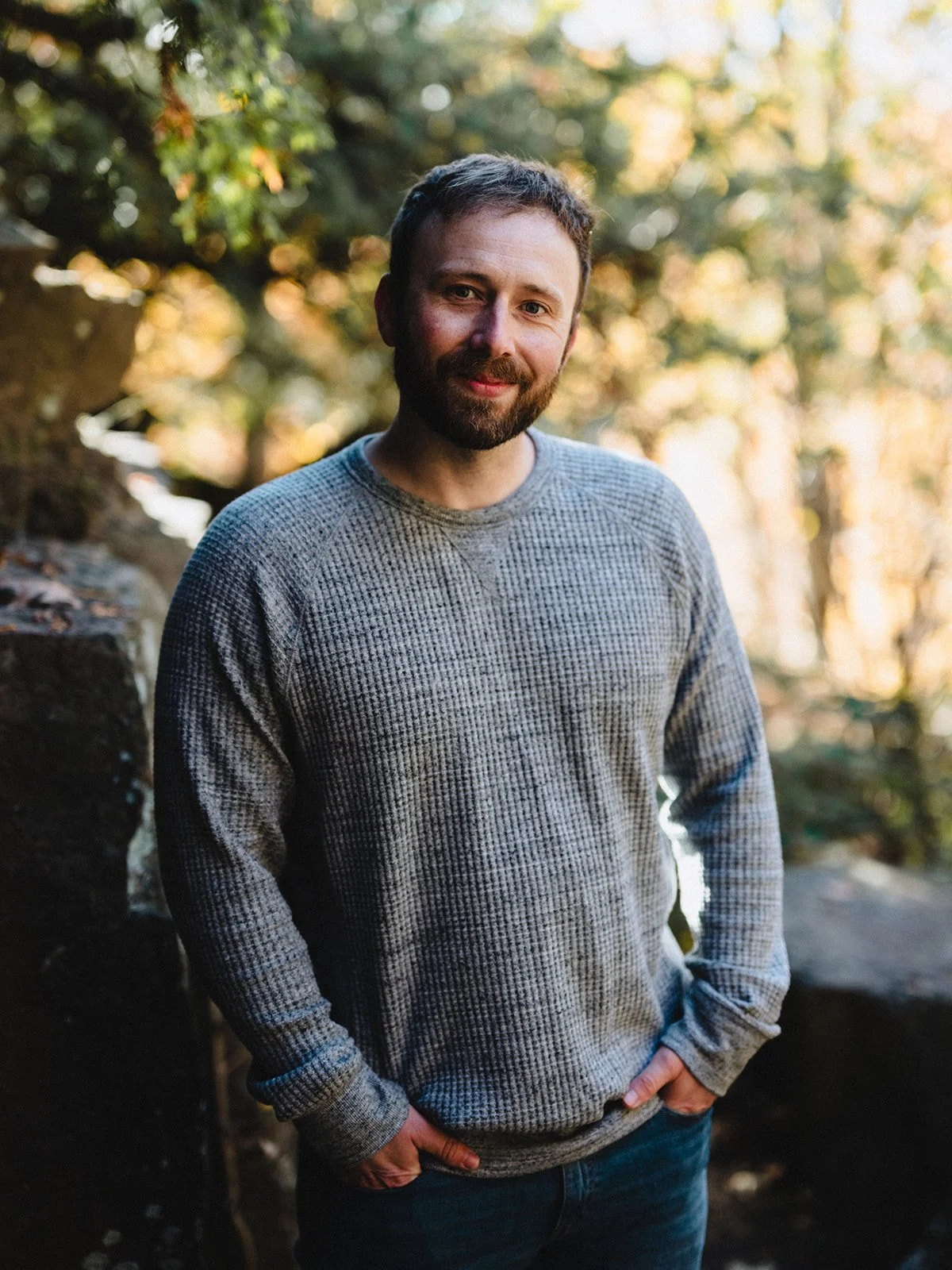
From Patient to Researcher
I never intended to become a health researcher. I was a writer, deep into crafting a travel memoir about my time teaching in rural Kenya. It was a passion project that consumed my every spare moment. Then, over four days, my eyes spontaneously deteriorated. What began as gritty discomfort escalated into a five-year nightmare of unrelenting pain and delibitating sensitivity that forced me to wear goggles day and night to protect my eyes from even the slightest stimulus.
When I finally received my diagnosis—neuropathic corneal pain—I had already lost my career, my social life, and nearly my will to continue. But I had gained something else: an education in what happens when mainstream medicine has no solutions to offer.
When the System Fails, Patients Innovate
Neuropathic corneal pain proved to be merely the first among a cascade of bewildering ailments that seemed almost too improbable for a single body. Mercury toxicity. Vertigo. Painful bladder syndrome. Gastritis. SIBO. Lyme. These were difficult enough to face on their own, but together, they made each day feel insurmountable.
The list sounds implausible. Believe me, I understand the skepticism because I lived the absurdity. With each new condition came the same exhausting reality: doctors who had no answers, only referrals to other doctors who also had no answers, or prescriptions that dulled symptoms without addressing causes.
The only real answers came when I turned to patient communities online. There, I discovered something profound. People who had lived with these conditions for years possessed knowledge that contradicted mainstream wisdom—and actually worked. These weren't fringe theories or dangerous experiments. They were carefully documented solutions that had emerged across hundreds of testimonies that clinical practice had somehow overlooked or dismissed.
The Research That Heals
By the time I fell ill, I had worked on a SSHRC grant researching the visual culture of radio in Canada and had also undertaken several research projects at a Ph.D. level as an undergraduate student. I already knew how to spend countless hours tracking down obscure facts in the archives. I applied that same persistence to investigating actual solutions in medical literature and patient forums.
If you're living with a chronic condition, you know the willingness to try anything for relief. Over five years of deteriorating health, I became that person. I pushed past conventional medical wisdom, testing protocol after protocol with the methodical determination of someone who had no other choice.
Slowly, against all odds, things began to shift. The improvements were incremental, hard-won, and built on countless hours of research. And something unexpected happened: people started coming to me. Contacts from online forums asked for help interpreting studies. Others wanted to know which protocols had actually moved the needle. Even my own doctors began consulting me, requesting patient perspectives on emerging procedures and equipment. I had become an accidental expert, armed with something physicians often lack: the lived experience of what actually works.
Now I apply that same rigor to health information. I compile what patients know and what science confirms, identifying where subjective experience and clinical evidence converge. I'm not a doctor, and I don't claim medical expertise. Instead, I do what I've always done best: gather scattered information, identify patterns, and present the consensus that emerges when you listen to both patients and research.
Your Research, Done
Every guide I create represents hundreds of hours distilling patient testimonies, medical literature, and practical protocols into actionable information. I've done the work of sifting through contradictory advice, identifying what actually helps, and organizing it so you don't have to spend years—and thousands of dollars—searching for answers.
If you're struggling with a condition that mainstream medicine can't seem to solve, you're not alone. And you don't have to navigate this alone.
Explore My Guides – Comprehensive research on specific conditions, compiled from patient consensus and scientific evidence.
Subscribe to My Newsletter – Weekly insights delivered to your inbox, because health information shouldn't require a research degree to understand.
You don't have to spend years searching for what I've already found. Let me show you the shortcuts I wish I'd had.